


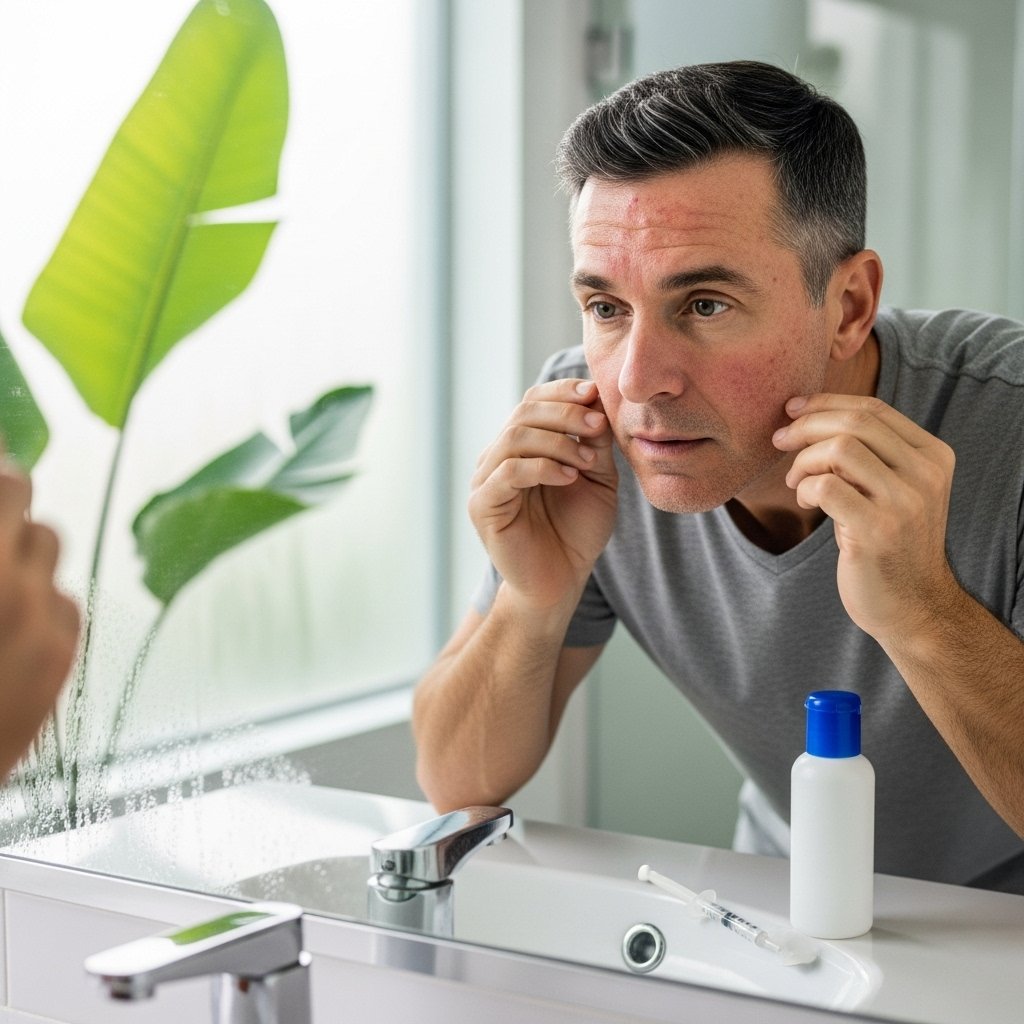
When men in Houston consider testosterone replacement therapy, the first questions often revolve around benefits. Will I feel more energetic, more focused, more like myself? Those are fair questions, and the science supports meaningful improvements when therapy is indicated and managed well. But it is equally important to understand potential side effects and how a smart care plan keeps them in check. Side effects are not guaranteed, and most are manageable when recognized early. What sets you up for success is an honest conversation with your clinician, consistent monitoring, and day-to-day habits that align with the realities of life along the Gulf Coast. If you are just beginning your research, grounding yourself in the basics of testosterone replacement therapy can provide context for what to watch, what is normal, and what warrants a call to your provider.
Before diving into specific effects, remember that not every symptom you notice after starting therapy stems from testosterone itself. Houston’s heat, seasonal allergens, changes in workout routines, and everyday stress can all shape how you feel. The key is pattern recognition. Your clinician will look for timing, intensity, and persistence. A small acne flare in week two may be part of your skin adapting; a sustained rise in blood pressure demands a closer look. When you and your clinician track these patterns together, adjustments become targeted rather than guesswork.
Erythrocytosis and the importance of blood monitoring
Testosterone can stimulate red blood cell production. In some men, that rise is beneficial, improving stamina and reducing feelings of fatigue. In others, levels may climb high enough to thicken the blood, a state called erythrocytosis. This is why routine checks of hemoglobin and hematocrit are central to responsible TRT. If levels drift too high, your clinician may adjust the dose, change the dosing frequency, switch modalities, or consider other interventions to bring values back into a safe range. In Houston, where summer heat already taxes hydration, simple habits like steady water intake and moderating strenuous afternoon workouts can support your overall cardiovascular comfort while your clinician fine-tunes therapy.
For men who work outdoors, coach youth sports, or spend weekends on Galveston’s beaches, it is helpful to schedule labs in the morning and maintain consistent hydration in the days leading up to the draw. Consistency helps the numbers tell a clearer story, and a clear story leads to safer decisions. If you ever feel unusual headaches, facial flushing, or shortness of breath during exertion, it is wise to reach out promptly and discuss whether blood levels need attention.
Skin changes, acne, and oiliness
Some men notice an uptick in skin oiliness or acne when starting therapy, especially with gels that have localized skin exposure. Usually, this settles as the body adapts. Gentle cleansing, breathable clothing in Houston’s humidity, and avoiding comedogenic products on application sites can make a noticeable difference. If breakouts persist or are bothersome, your clinician can modify the regimen or recommend topical treatments. The goal is to address the symptom without losing sight of the broader benefits you are pursuing.
For men who sweat heavily during early morning runs along Buffalo Bayou or lunchtime gym sessions in the Galleria area, adjusting application timing for topical formulations can also help. Letting gel dry fully and planning workouts accordingly reduces both skin irritation and the risk of transfer to others.
Fluid retention and blood pressure considerations
Mild fluid retention can occur, particularly when initiating therapy or increasing doses. You might notice rings fitting snugly or slight ankle puffiness at the end of a long day. For most men, this is transient. Mindful sodium intake, consistent sleep, and routine movement throughout the workday are simple levers to pull. Because Houston traffic can keep you seated longer than intended, consider brief walking breaks or calf exercises when parked or at the office. If you have a history of hypertension, a home blood pressure log is invaluable. Sharing those readings during follow-ups helps your clinician calibrate therapy and, when appropriate, coordinate with your primary care physician.
Mood, energy, and sleep
One of the most encouraging aspects of well-managed TRT is improved mood and steadier energy. That said, shifts in dose or scheduling can temporarily introduce edginess or restlessness in a subset of men. If you feel more wired than well, or your sleep becomes fragmented, do not white-knuckle your way through it. Call the clinic and describe the pattern. Sometimes a slight adjustment in dosing day, a change in injection interval, or attention to evening caffeine intake brings quick relief. Houston’s early sunrises and long summer evenings can also influence sleep timing; combining light exposure habits with clinical adjustments often restores a comfortable rhythm.
Fertility, testicular size, and family planning
Testosterone therapy can suppress the body’s intrinsic signaling to the testes. The result may be lowered sperm production and a noticeable change in testicular size. For men who are done with family building, this is often a non-issue. For those who want to keep options open, it is essential to discuss strategies before beginning therapy. Your clinician may outline ways to support fertility concurrently or to pause therapy strategically if conception becomes a near-term goal. In Houston, where many professionals delay family building until later in their careers, having this conversation early protects choice and reduces stress down the road.
Gynecomastia and estrogen balance
Breast tissue tenderness or swelling, known as gynecomastia, can occur when the balance between testosterone and estrogen shifts. Because some testosterone converts to estradiol, your clinician will monitor estrogen levels alongside testosterone, focusing on how you feel as much as lab values. Thoughtful dose adjustment, attention to body composition, and patient education usually manage this risk well. If you notice new tenderness under the nipple or persistent puffiness, report it promptly so your team can evaluate.
Prostate and urinary symptoms
Prostate health remains an important part of men’s care, with or without TRT. In properly screened men, current evidence does not show that therapy initiates prostate disease, but monitoring is prudent. You and your clinician will review urinary patterns, nocturia, and PSA trends appropriate for your age and history. If you already have benign prostatic hyperplasia, symptom tracking may guide both urologic care and TRT adjustments. Houston’s access to excellent urology specialists can be reassuring if further evaluation is ever needed.
Sleep apnea and respiratory considerations
Men with untreated sleep apnea deserve special attention. Poorly controlled apnea can worsen fatigue, blood pressure, and metabolic markers, complicating the TRT picture. If you snore loudly, wake unrefreshed, or have a diagnosis of apnea, make sure that is part of your intake conversation. Coordinating care with sleep specialists, aligning therapy with CPAP use, and tracking daytime alertness protect you from chasing symptoms in circles. Houston’s allergy seasons—which can flare nasal congestion—are another reason to stay proactive about airway health.
Injection site care and infection prevention
For men who choose injections, proper technique and site rotation minimize soreness and reduce the already low risk of infection. Clean skin, fresh supplies, and mindful disposal are the basics. If you are new to self-injection, hands-on teaching and a quick practice run at the clinic build confidence. In our warm climate, where sweating is common and outdoor activity is part of daily life, showering after workouts and applying injections to dry skin are sensible habits. Report persistent redness, warmth, or swelling at a site so your clinician can evaluate promptly.
Topical formulations and transfer precautions
Topical gels require respect for transfer risk. Drying time matters, as does clothing choice immediately after application. If you have young children or share towels and bedding, build habits that protect your household—wash hands well, let gel dry fully, and cover the application site with clothing before contact. These small routines become second nature, and they preserve both safety and peace of mind.
Cardiovascular health: what the evidence suggests
The relationship between testosterone therapy and cardiovascular outcomes has been studied extensively, and research continues to evolve. In screened men under clinician supervision, balanced dosing and regular monitoring support safe use. What often matters more than any single number is the integrated picture—blood pressure, lipids, glucose control, body composition, and physical activity. Pairing therapy with attention to nutrition, movement, and sleep habits yields the best overall outcomes, particularly in a city like Houston where food culture is rich and schedules are busy.
Mid-course corrections and staying steady
Side effects, when they appear, tend to cluster during the initial months as your body adapts. This is when close communication with your clinic pays off. Share changes, even if they seem minor, and focus on patterns rather than isolated days. Around the midpoint of your early journey, many men find it helpful to revisit core principles of safe, effective TRT in Houston, making sure labs, lifestyle, and expectations align. Small adjustments—like tweaking injection intervals or shifting gel application time—often make outsized differences in comfort.
Weather, storms, and practical planning
Houstonians are no strangers to weather disruptions. While most testosterone formulations do not require refrigeration, it is wise to store medications away from heat and sunlight, and to keep a modest cushion of supplies on hand during peak storm season. If flooding or power outages complicate travel, contact your clinic about telehealth follow-ups and temporary solutions. A little foresight prevents a brief interruption from becoming a source of stress.
Frequently asked questions
Will I definitely experience side effects on TRT? Not necessarily. Many men feel better with minimal issues, especially when therapy is tailored and monitored. When side effects do occur, they are often manageable and transient.
How soon should I report a change? Reach out whenever a new symptom persists beyond a few days or feels out of proportion—significant swelling, unusual headaches, chest discomfort, or mood changes that concern you. Early conversations lead to simpler fixes.
Can I exercise the same way I did before starting? In most cases, yes. Many men see workouts improve with better energy and recovery. Pay attention to hydration and avoid applying topical gels right before heavy sweating. If something feels off, bring it up at your next check-in.
What if I want to preserve fertility? Tell your clinician before starting. There are strategies to support fertility while addressing low testosterone, but planning is essential.
Is there a connection between TRT and prostate problems? Men should be screened appropriately. In properly selected patients, therapy with monitoring is considered safe. Your clinician will personalize PSA checks and symptom review based on your age and history.
How will I know if my dose is right? You will see it in both numbers and how you feel. Steady energy, improved mood, good sleep, and the absence of bothersome side effects are the real-life signals that your plan is calibrated well.
Next steps for Houston men
Understanding potential side effects is not about fear—it is about confidence. When you know what to watch and have a responsive team, you are positioned to reap the benefits of therapy while minimizing bumps along the way. If you are ready to talk with a clinician who will listen, educate, and tailor the plan to life in our city, consider starting a conversation about testosterone replacement therapy today so you can move forward with clarity and support.