


Getting Started: What Your First Weeks Will Look Like
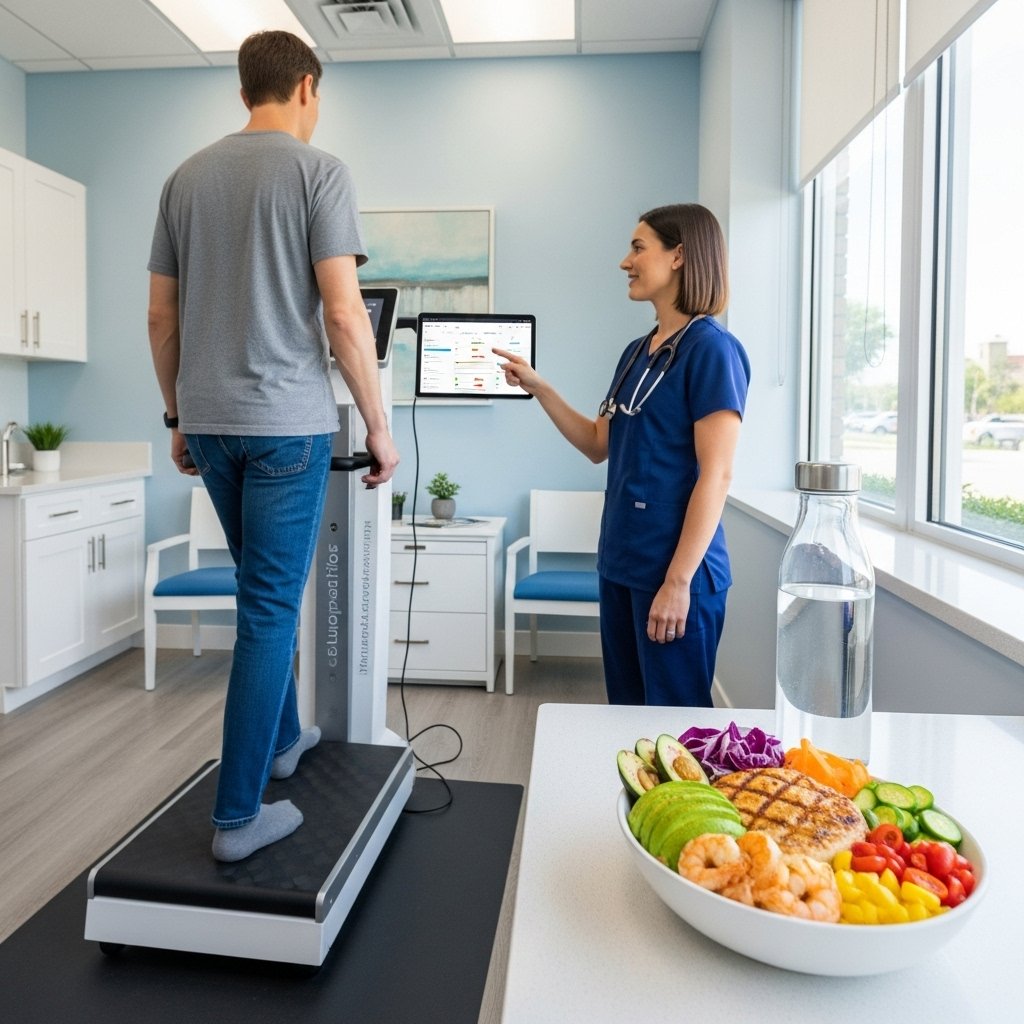
Beginning a medical weight loss journey in Houston is both exciting and practical. You’re tapping into a healthcare community that works at the pace of the Texas Medical Center but understands the realities of long commutes, heat, and busy family calendars. During your first visit, expect a comprehensive conversation about your medical history, current medications, previous weight management attempts, sleep, stress, and daily routines. Your clinician might order labs and, in many programs, a body composition analysis so you can track fat loss and muscle preservation—not just weight. Early goals usually prioritize simple wins: consistent hydration, a protein-forward breakfast, and a short movement routine you can do indoors when the heat index climbs. If you want a concise grounding in how modern programs blend medical oversight with coaching, a quick primer on medical weight loss will help you ask sharper questions from day one.
Your Plan: Built for Houston Life
The best plans are tailored. In a city where I-10 traffic can rewrite your afternoon, flexibility is essential. A program that pairs monthly in-person visits with weekly virtual check-ins lets you stay connected without spending hours in the car. Nutrition is customized to your tastes and culture—whether that means creating a smart order at your favorite Tex-Mex spot, fitting pho into balanced days, or enjoying Gulf Coast seafood without overdoing calories. Movement plans consider weather and safety: indoor resistance routines, mall walking, pool sessions, or short bursts you can sprinkle between meetings. The guiding principle is sustainability; your plan should work in July’s humidity and during holiday season alike.
Medication: When and Why It’s Used
Medications can be helpful for some, but they’re never a standalone answer. In Houston clinics, clinicians weigh your medical history, preferences, and response to lifestyle changes before recommending pharmacotherapy. You should expect a detailed discussion about benefits, potential side effects, and monitoring. The right dosage is conservative and adjusted based on how your body responds, and your team should coordinate with your primary care provider when appropriate. Whether medication is part of your plan or not, your progress still rests on consistent, doable habits supported by coaching and accountability.
Tracking Progress Beyond the Scale
One of the most encouraging parts of a well-run program is the way progress is measured. Body composition scans, waist and hip measurements, energy levels, sleep quality, and even how your clothes fit create a more accurate picture of success than the scale alone. In Houston, where weeks can be interrupted by storms, traffic snarls, or family obligations, these additional metrics keep you motivated. A slow week on the scale might still show improved hydration, better sleep, or a lower body fat percentage, which are all meaningful steps toward long-term health.
What Results Typically Feel Like
Results arrive as a collection of changes rather than a single big moment. In the first few weeks, many people in Houston describe steadier energy through afternoon traffic, fewer cravings at the end of a long day, and improved sleep. After that, changes in measurements and how clothing fits often appear. Strength gains from basic resistance work can improve posture and reduce aches from desk time or driving. The most satisfying milestone for many is a calm, confident rhythm to eating and movement—habits that survive weekends, travel, and the occasional Astros game night.
Expect Plateaus—and Learn From Them
Plateaus are normal and temporary. Your body adapts as you lose weight, and life rarely cooperates with perfect conditions. The fix is rarely dramatic. Your team may suggest small shifts: slightly adjusting meal timing, toggling protein and fiber targets, or adding brief strength sessions. In our climate, even a change in hydration can matter more than you’d expect. The point is to analyze, adjust, and keep going, rather than declare a plan broken after one slow week.
How Houston’s Food Culture Fits In
Houston’s food landscape is a strength, not a barrier, when approached wisely. A skilled coach can help you navigate local menus so you can enjoy a breakfast taco, pick a smart plate at a barbecue spot, or savor crawfish without losing traction. You’ll learn how to plan for celebratory meals and structure the rest of the day accordingly. You’ll also learn how to recover quickly from indulgent days, so one big dinner doesn’t become a reason to skip your next check-in.
Energy, Sleep, and Stress: The “Silent Wins”
Beyond aesthetics, medical weight loss often improves biomarkers and daily wellbeing. Better sleep and more stable energy make busy Houston days easier—whether you’re hustling around the Loop or commuting from the suburbs. Stress management strategies are often built into programs, because stress can drive cravings and late-night eating. You may discover that a short evening wind-down routine and earlier bedtime do as much for your progress as any change in your plate.
Coaching and Accountability You Can Trust
Reliable accountability is the backbone of lasting results. In a city where schedules shift, you want a system that’s easy to maintain: quick weekly virtual check-ins, monthly in-person measurements, and a clear point of contact for questions. Your coach should help you anticipate rough patches—travel, holidays, or storm seasons—and sketch out simple backup plans. It’s not about perfection; it’s about staying engaged with the plan even when conditions aren’t ideal.
Mid-Journey Recalibration
Somewhere around the middle, most people benefit from a short reset: reviewing the fundamentals, taking stock of metrics, and trimming complexity. This is a good time to refresh your understanding of modern approaches and recommit to the basics. If you need a quick reference to sharpen your perspective, scan an overview of Houston medical weight loss so you can spot what’s truly evidence-based and what is simply trendy branding.
Success Stories From Around Town
I’ve seen success across Houston: nurses balancing shifts near the Med Center, teachers in Spring Branch using lunch as their anchor meal, engineers in the Energy Corridor relying on short indoor strength sessions after work, and parents in the Heights building routines around evening walks when the weather allows. These aren’t headline-grabbing transformations; they’re steady, durable improvements that make everyday life feel better. Their secret is never a single hack—it’s the combination of a supportive team, realistic planning, and consistent follow-through.
Common Questions About Results
People often ask how quickly they’ll notice change. Energy and sleep are usually first, followed by small improvements in measurements and clothing fit. The scale may lag behind those markers at times, which is why programs track multiple metrics. Others worry about losing momentum during Houston’s hottest months. The answer is to switch to indoor movement and tighten up simple routines—hydration, breakfast, and bedtime—until the weather breaks. Your team should help you adapt without drama.
Coordinating With Your Primary Care Team
Good clinics coordinate with your primary care provider, especially if you have chronic conditions or take medications. This collaboration keeps plans safe and helps track improvements in blood pressure, blood sugar, or other markers. Many programs integrate lab work and share results seamlessly, saving you time and avoiding duplication.
How to Get the Most From Your Program
Show up, ask questions, and keep a short list of weekly priorities. Most Houstonians benefit from three anchors: hydration, one reliable breakfast, and a consistent bedtime. Everything else—meal composition, strength sessions, walking—stacks on top. If a week gets chaotic, protect the anchors first. They keep momentum alive while you regroup.
Frequently Asked Questions
Q: What happens during the first appointment?
A: You’ll review your health history, discuss lifestyle patterns, and likely complete baseline measurements. The team will outline a plan with early wins and schedule your first follow-up for accountability.
Q: Do programs force strict meal plans?
A: Not the good ones. Expect structured guidance with room to choose foods you enjoy, including Houston favorites. Flexibility helps you stick with the plan long term.
Q: Will I have to work out daily?
A: Daily movement helps, but it doesn’t have to be long. Many people thrive with short, frequent sessions that fit the weather and their schedule. Consistency beats intensity.
Q: Are medications always used?
A: No. They’re one tool among many and are only used when appropriate, after a careful assessment and shared decision-making.
Q: How do programs handle plateaus?
A: By analyzing data and making small, targeted changes—meal timing, protein, fiber, strength training, or sleep routines—rather than overhauling everything at once.
Q: Can I do this if I travel for work?
A: Yes. Hybrid programs with virtual check-ins and portable routines are designed for travel. Your coach can help you plan hotel-friendly meals and quick movement sessions.
Ready to Begin?
If you’re in Houston and ready to begin, start with a conversation and a clear sense of your priorities. Gather your questions, set a first-week plan, and choose a clinic that respects your life as it’s actually lived. If you’d like a straightforward resource before your first call, review this overview of medical weight loss program options, then schedule your consultation. The sooner you start, the sooner small wins begin to stack into lasting results.