


Finding the Right Fit in a City the Size of Houston
If you live in Houston, you know our city rarely does anything small. From the sprawl of the 610 Loop to the far reaches past Beltway 8, and from Uptown to Clear Lake, the question isn’t whether you can find medical weight loss clinics near you—it’s which one will fit your life, your schedule, and your goals. The good news is that Houston’s healthcare ecosystem is as deep as it is diverse, with experienced clinicians and programs tailored to different needs. Whether you’re coming from a long day at the Texas Medical Center, wrangling a commute from Katy down I-10, or weaving your way through 288 after work, there’s a clinic model that can meet you where you are and help you move forward.
When people ask me where to start, I recommend thinking about proximity, of course, but also about philosophy—how a clinic approaches behavior change, medical monitoring, nutrition, and accountability. That first visit is about more than a scale reading; it’s about building a relationship you can rely on. If you’re just beginning to explore what’s available, a helpful way to orient yourself is to read an overview of modern approaches to medical weight loss so you can walk into your first consult with confidence and the right questions.
Houston Neighborhoods and Access: Matching Your Routine
Because Houston is so spread out, “near me” can mean very different things depending on your day-to-day routine. If you work near the Galleria or Uptown, you may want a clinic you can slip into before the 4 p.m. traffic swells on 610. In the Heights or Garden Oaks, walkable or quick-drive options make it easier to stick with early morning appointments before the heat and humidity set in. For those west of town—Memorial, Energy Corridor, or Westchase—clinics with late evening hours can be a lifesaver when you’re coming off a long shift. Down south, Pearland and the 288 corridor have seen growth in medically supervised programs that pair in-person check-ins with telehealth. And if you’re near the coast, Clear Lake and the Bay Area offer convenient access without having to trek inside the Loop. The key is choosing a clinic that aligns with your driving patterns so you are never forced to choose between your plan and your commute.
What a Strong Medical Weight Loss Clinic Provides
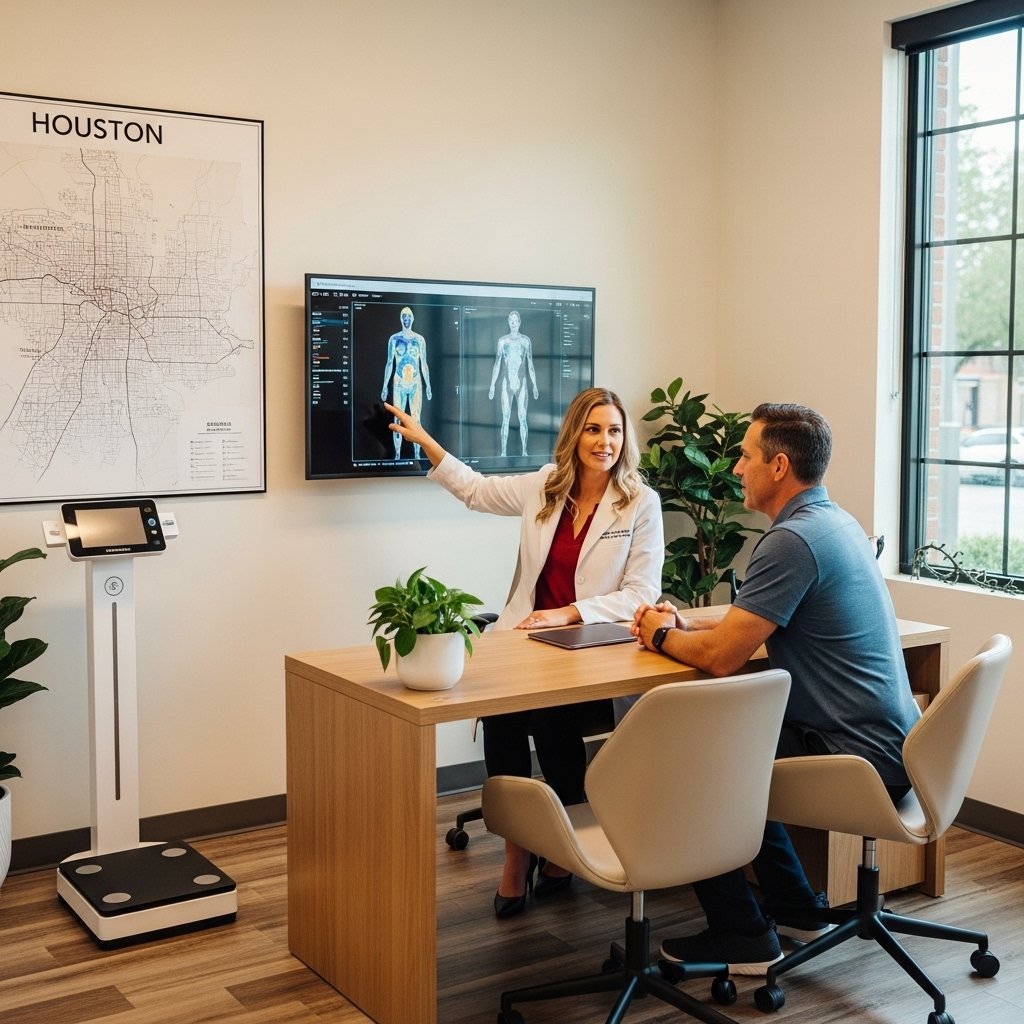
At their best, Houston clinics offer more than prescriptions and pamphlets. You should expect a comprehensive intake—medical history, medication review, labs if appropriate, and a conversation about your day-to-day life. Many clinics now include body composition analysis so you can track fat loss and lean mass over time, not just the scale’s overall number. Nutrition coaching should be realistic for Houston living; it needs to leave room for a breakfast taco now and then, teach you how to navigate a crawfish boil without derailing progress, and help with restaurant strategies when you’re out in Midtown or Montrose. Activity guidance should consider heat, humidity, and safety; walking loops at Memorial Park aren’t always an option in August, so clinics that understand indoor alternatives can keep momentum going through the hottest months.
Medical Oversight and Safety First
Safety matters in every plan. Houston’s medical community is accustomed to managing complex cases, and many clinics work closely with your primary care physician, cardiologist, or endocrinologist when necessary. If medications are involved, you should feel assured that dosing is conservative and monitored, that the clinic screens for contraindications, and that side effects are discussed in plain language. Ask how often you’ll be checked in on, whether virtually or in person, and how adjustments are made. A strong clinic culture will always emphasize that the goal is sustainable health, not quick fixes. It should also be clear that you can pause, slow down, or switch gears without judgment if life gets busy, hurricanes roll through, or work ramps up.
Culture, Inclusivity, and Communication
Houston’s strength is its diversity, and it’s worth seeking out clinics that reflect that in their staff and approach. Bilingual teams are common across the city, and it can make a big difference to discuss goals in the language you’re most comfortable using. Nutrition coaches who understand cultural foods—from Vietnamese pho to West African jollof to Tex-Mex classics—can build plans you’ll actually follow. Sensitivity to religious fasting periods, family-centered meals, and community events helps keep your plan aligned with your lifestyle. The best clinics communicate clearly, celebrate small wins, and help you anticipate challenging weeks instead of reacting after the fact.
Telehealth, Hybrid Schedules, and the Houston Lifestyle
Traffic and weather are two constants here, and many clinics offer hybrid models so you can blend in-person visits with video check-ins. That means you can do an early appointment from your kitchen before the kids wake up, then pop in once a month for a body composition scan. Hybrid schedules also allow for quick midweek touches when you hit a plateau or when work travel takes you to the Port or the Energy Corridor. In my experience, people who use hybrid schedules stay more connected to their program, because accountability follows them instead of the other way around.
Signs You’ve Found the Right Clinic
When you find the right place, you’ll feel it. The intake feels thorough but not rushed. You have a point of contact who actually answers messages. The plan makes sense in the context of Houston life—heat, traffic, busy family calendars. Adjustments are framed as learning, not failure. The clinic is transparent about what they can and can’t do, and they partner with you, not preach at you. And importantly, the schedule doesn’t feel like a burden. You can consistently make it, even during the chaos of back-to-school or the holidays.
Getting Started: Your First Visit
In your first consultation, be ready to talk about more than food. Sleep, stress, medications, previous attempts at weight loss, and even your daily routes around the city are relevant. Share what has and hasn’t worked, and be honest about your schedule. If you’re on call at the Medical Center, for instance, you’ll need a plan that flexes with unpredictability. If you manage a storefront along Washington Avenue, evenings might be your only window. The clinic should help you set a personal baseline, then outline early wins—hydration, breakfast consistency, a short indoor routine for days when the heat index is oppressive—and use those wins to build momentum.
Middle-Mile Motivation and the Power of Measurement
Most people experience the most doubt in the middle of a program, once the novelty fades and daily life gets noisy. This is where reliable metrics are invaluable. Seeing changes in waist measurements or body fat percentage can remind you that progress is still happening even when the scale moves slowly. A good clinic will show you how to interpret those metrics and adjust appropriately. You’ll learn to anticipate plateaus, plan for busy weeks when you’re shuttling between the Loop and suburban ball fields, and stack habits that fit within your travel time. If you haven’t already done so, take time to review modern, medically guided approaches to Houston medical weight loss so you can recognize when a method aligns with evidence and when it’s just slick marketing.
Nutrition for a Houston Plate
Any plan that doesn’t account for Houston food culture is unrealistic. The point isn’t to purge your calendar of barbecue, seafood boils, or the occasional kolache; it’s to learn how to navigate those choices strategically. Coaches who know local menus can help you pair protein-forward choices with produce, pick sauces that pack flavor without unnecessary calories, and structure meals so you’re not walking into dinners ravenous. My favorite local trick is to front-load hydration; with our heat, people often mistake thirst for hunger, especially after commuting or working outdoors. Another is to plan your week around a few “anchor meals”—breakfasts or lunches you truly like and can repeat—so evening spontaneity doesn’t derail momentum.
Movement That Fits Houston Weather
Even the most motivated person will struggle to keep outdoor routines in late summer. That’s why I like clinics that incorporate realistic indoor options: short resistance sessions at home, mall walking at Memorial City or the Galleria on peak-heat afternoons, or community center pools where you can get low-impact movement without overheating. It’s not about perfection; it’s about consistency. Ten to fifteen minutes done daily beats a heroic, unsustainable routine done twice and abandoned. Your clinic should help you craft a plan that acknowledges heat advisories, storm weeks, and the occasional power outage without feeling like you’re always starting over.
Accountability That Works in Real Life
Houston is a working city, and schedules can change in an instant. The most durable accountability systems are simple and flexible: a weekly check-in text with your coach, a quick video call for strategy, and monthly in-person visits to recalibrate. Some clinics also create small cohort groups so you can compare notes with people who live near you. It’s surprising how motivating it can be to hear how another parent managed Little League snack duty without abandoning their plan, or how a nurse balanced shift work with meal timing.
The Role of Medication and Monitoring
Not everyone needs medication, and not every medication is right for every person. If pharmacotherapy is part of your plan, expect a cautious, personalized approach and clear discussions about benefits, side effects, and monitoring. In Houston, many clinics coordinate lab work with major health systems so you’re not repeating tests, and they can update your plan in partnership with your broader care team. The goal is always the same: safe, sustainable progress that supports your health markers, energy, and quality of life.
Red Flags to Watch For
If a clinic promises overnight transformation, discourages questions, or pushes one-size-fits-all plans without a proper assessment, keep looking. You deserve care that respects your individuality, your culture, and your schedule. Look for transparency around their process, clarity in communication, and a steady emphasis on long-term health over quick wins.
From First Steps to Habit Change
The real magic is in the accumulation of small, doable actions aligned with your daily life in Houston. It’s the way you tweak your lunch order on a workday near Downtown, the choice to walk a breezy indoor space when thunderstorms roll through, the decision to maintain your bedtime even during a busy week. A supportive clinic makes those actions easier and makes your plan feel like a natural part of your day rather than an obligation.
Frequently Asked Questions
Q: How often should I plan to visit a clinic in person?
A: Most people do well with a blend of monthly in-person visits and brief virtual check-ins weekly or biweekly. The exact cadence depends on your goals, medical needs, and schedule. The point is to stay connected enough to adjust quickly without overloading your calendar.
Q: Are programs in the suburbs as comprehensive as those inside the Loop?
A: Yes. The Greater Houston area—Katy, Sugar Land, Pearland, The Woodlands, Bay Area—offers clinics with the same level of medical oversight and coaching you’ll find near Downtown. Choose based on convenience and fit rather than assuming central automatically means better.
Q: Do I have to give up my favorite Houston foods?
A: No. A realistic plan will help you structure meals so your staples fit in. You’ll learn how to prioritize protein and produce, set boundaries on portions, and plan ahead for nights out. The goal is fluency in everyday choices, not restriction that backfires.
Q: What if my job schedule changes week to week?
A: Look for clinics that offer hybrid scheduling and quick-touch accountability. Shift workers across Houston succeed by pairing virtual check-ins with periodic in-person visits and keeping a few “grab-and-go” meal frameworks ready for variable hours.
Q: How soon will I see progress?
A: That varies. Many people notice improvements in energy, sleep, and daily choices within a couple of weeks. Body composition and measurements often shift before the scale moves dramatically. Your clinic should help you track the right metrics so you can see progress early.
Q: Can clinics work with my existing doctor?
A: Absolutely. Good clinics coordinate with your primary care physician and specialists when appropriate, especially if you have chronic conditions or take medications that affect appetite, metabolism, or energy.
Q: What happens if I hit a plateau?
A: Plateaus are normal. Your team can adjust meal timing, macronutrient balance, movement, or accountability cadence. The key is interpreting data and tweaking the plan rather than assuming nothing is working.
Ready to Take the Next Step?
If you’re in Houston and ready to explore a clinic that meets you where you are—geographically and personally—start by learning what modern, evidence-guided programs look like. When you’re prepared with the right questions and a sense of what feels sustainable, you’ll recognize the right fit faster and feel confident on day one. If you want a concise overview you can reference before your first consultation, review this resource on medical weight loss program options, then reach out to a nearby clinic and schedule an introductory visit. Your next chapter can start on your side of town, on your schedule, and on your terms.