


As a clinician working with men across Houston, I’ve watched attitudes and approaches shift quickly around Testosterone Replacement Therapy (TRT). What started as a narrowly discussed treatment is now a widely considered option for men dealing with fatigue, low libido, and changes in body composition. In Houston’s diverse communities, patients seek evidence-based care and practical plans that fit busy lives while prioritizing safety and long-term wellness.
Testosterone Replacement Therapy (TRT): Modern Trends
One clear trend is personalized care. Providers no longer rely on a one-size-fits-all dose. Instead, detailed labs, patient histories, and lifestyle factors guide individualized plans. This means more precise titration, frequent monitoring of bloodwork, and open conversations about goals—whether improving energy for a medical professional working long shifts in the Texas Medical Center or supporting fitness goals for an active neighbor in River Oaks.
Advances in Diagnostics and Monitoring
Laboratory science has improved, and local clinics are using that to refine how they diagnose and follow men on therapy. We look beyond total testosterone, evaluating free testosterone, SHBG, hemoglobin, hematocrit, and metabolic markers. This fuller picture helps reduce risks and tailor timing and administration routes. Patients respond well when they understand why periodic testing matters and how small changes in numbers translate into symptom shifts.
Routes of Administration and Patient Preference
Another important development is respect for patient preference in delivery method. Some men prefer topical gels for steady levels; others opt for injections for convenience and consistency. Subcutaneous injections and pellet therapy have gained traction in specialized clinics, and Houston men appreciate having multiple, evidence-driven options discussed. The focus is on balancing efficacy, lifestyle fit, and monitoring safety markers like hematocrit and cardiovascular risk factors.
Telemedicine, Accessibility, and Local Care
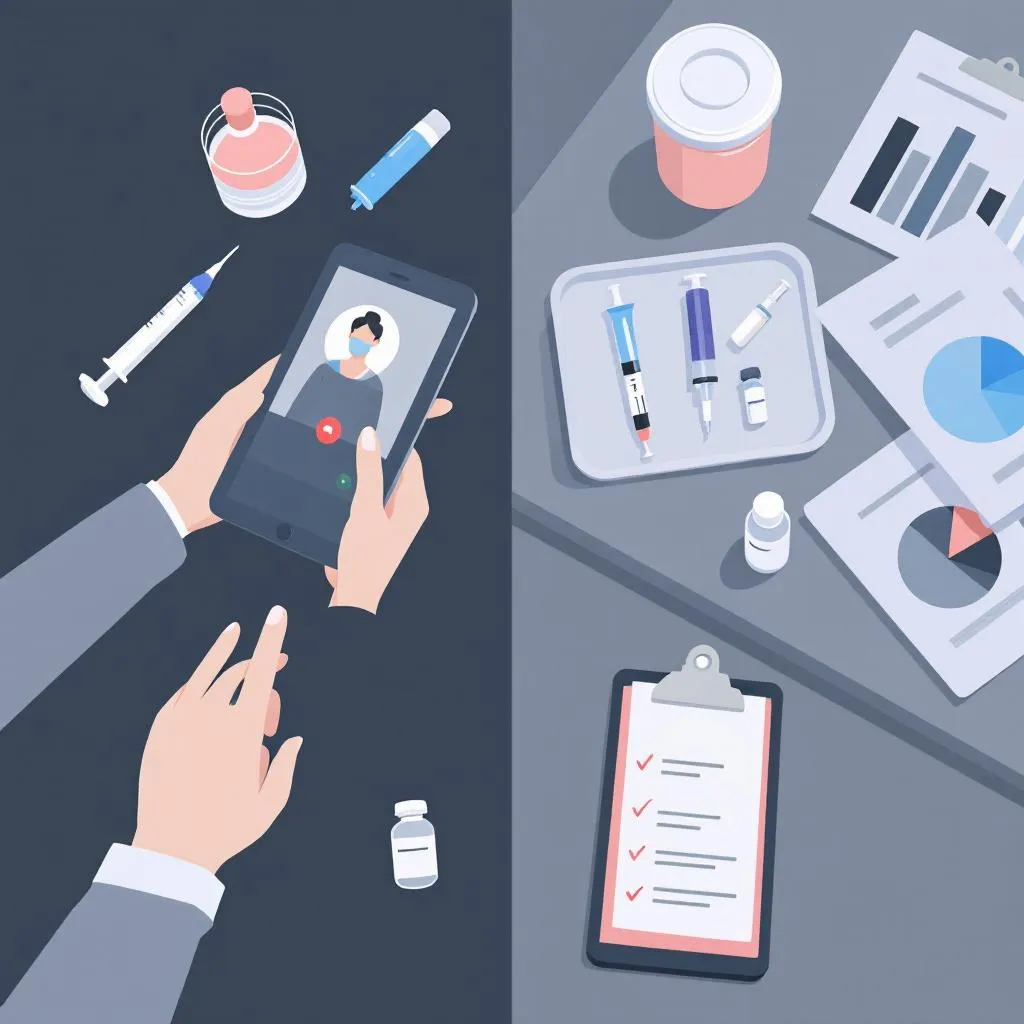
Telemedicine has broadened access across greater Houston, making follow-up easier for busy professionals and those living outside the city center. Virtual visits complement in-person assessments and allow for timely dose adjustments. Localized care models that combine telehealth check-ins with periodic lab draws and in-clinic assessments create continuity—this blend is where many patients find the most convenience and clinical rigor. In that context, informed education about Testosterone Replacement Therapy (TRT) helps demystify choices and encourages adherence to monitoring plans.
Safety, Comorbidities, and Shared Decision-Making
Safety remains paramount. Houston clinicians are increasingly cautious about screening for cardiovascular risk, sleep apnea, and prostate health before and during therapy. Conversations about fertility are also routine; men who wish to preserve fertility are offered alternatives or adjunct strategies. Shared decision-making—framing benefits and potential risks transparently—builds trust and helps men make informed choices aligned with their health priorities.
Integrative Approaches and Lifestyle Focus
TRT is most effective when combined with lifestyle interventions. Weight management, resistance training, and sleep optimization amplify outcomes. We encourage patients to view hormone therapy as one part of a broader wellness plan. Local nutrition counseling, strength training programs, and stress-management resources in Houston help men sustain gains and minimize reliance on medication alone.
Emerging Research and Ethical Practice
Research continues to refine indications, benefits, and long-term outcomes. Ethical practice in the community means avoiding overtreatment and ensuring therapy is indicated by symptoms and validated labs. In Houston’s competitive wellness landscape, reputable providers prioritize measurable goals, standardized follow-up, and transparency about when to pause or discontinue therapy based on evolving health status.
FAQs
Q: Who is a candidate for Testosterone Replacement Therapy (TRT)?
A candidate typically has symptoms consistent with low testosterone plus laboratory confirmation. Evaluation includes a clinical history, physical exam, and repeat morning testosterone measurements along with additional labs to rule out contributing factors.
Q: Will therapy affect my fertility?
Exogenous testosterone can suppress sperm production. Men who plan to have children should discuss fertility-preserving strategies with their provider. Alternatives or adjunct medications may be considered to protect reproductive goals while treating symptoms.
Q: How often will I need monitoring?
Monitoring frequency varies but commonly includes labs at baseline, within a few months of starting or adjusting therapy, and periodically thereafter to check testosterone levels, hematocrit, and metabolic markers. More frequent checks may be warranted based on individual risk.
Q: Are there lifestyle changes that help?
Yes. Weight loss, resistance exercise, improved sleep, and stress reduction can boost natural testosterone and improve response to therapy. Integrating these changes often leads to better long-term outcomes than medication alone.
If you’re considering treatment and want a pragmatic, evidence-based plan tailored to your life in Houston, we can help you understand options, monitoring, and expected outcomes. Our approach centers on clear goals, careful testing, and ongoing support so men feel confident about their care. Learn more or schedule a consultation about Testosterone Replacement Therapy (TRT) and how it might fit into a comprehensive wellness plan.
Stamina Weight Loss, Testosterone & ED Center
11811 East Fwy, Houston, TX 77029, United States
Phone: +1 (346) 293-8944