


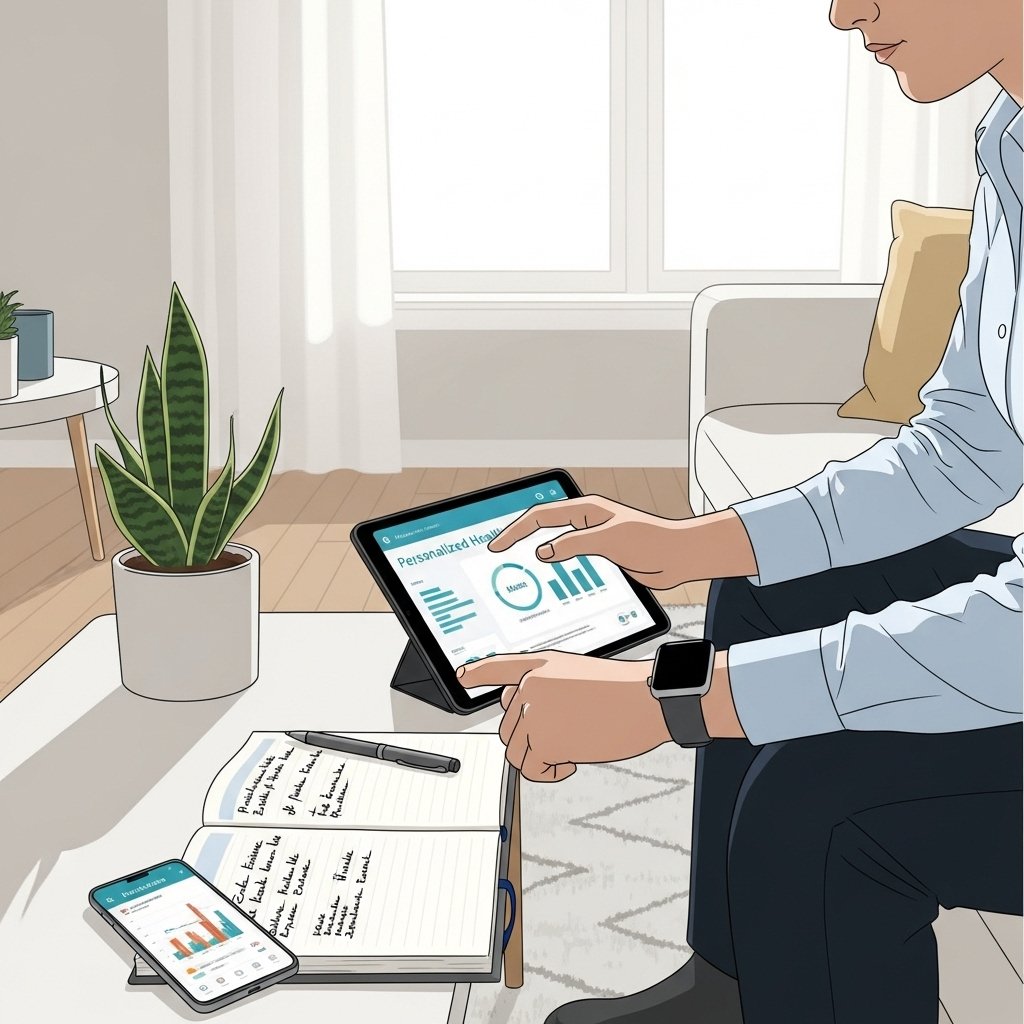
In a city as forward-looking as Houston, health care evolves quickly. From the Texas Medical Center’s research corridors to tech-enabled practices scattered across the metro, new tools and ideas are reshaping how we approach weight and metabolic health. If you have tried traditional dieting and felt stuck, it is worth taking a fresh look at what is possible today. Data-guided nutrition, smarter exercise prescriptions, and thoughtfully used medications are changing not just outcomes but also the experience of pursuing change. To understand where we are heading, it helps to see how these innovations come together in everyday life. For many Houstonians, the starting point is a simple, informed conversation about medical weight loss and how to personalize it.
One of the most visible trends is the integration of continuous data. Wearables have matured beyond step counts. Heart rate variability, sleep stages, and recovery scores now inform day-to-day decisions. Clinicians can use these metrics to adjust training intensity, revisit meal timing, or add recovery strategies after stressful weeks. If your sleep tanks during a product launch or your resting heart rate drifts up during a stretch of summer heat, those numbers guide gentle course corrections instead of all-or-nothing plans. The effect is that your program feels living and adaptive, less like a rulebook and more like a conversation between your body and your care team.
Personalized nutrition without the overwhelm
Nutritional personalization is moving from guesswork to grounded strategy. Rather than chasing every new diet headline, people are learning how their own hunger patterns, glucose responses, and cultural preferences fit together. Food logs paired with periodic glucose snapshots help reveal which meals stabilize your energy and which create afternoon crashes. For a Houston professional who loves Vietnamese pho or a family that gathers for Sunday barbecue, this means you can design a rhythm that honors local flavor without losing sight of your goals. Clinicians are also expanding the toolkit with higher-protein, higher-fiber templates that curb cravings and preserve lean mass, a crucial factor in long-term success.
Another quiet innovation is the elevation of recovery to a first-class variable. Historically, people tried to out-exercise a poor sleep schedule or power through stress. The new wave views sleep and stress management as force multipliers. In practice, that can look like protecting a cool, dark bedroom during the Houston summer, learning quick downshifting techniques between tasks, and using short movement breaks to lower cortisol. The result is not just better willpower; it is improved metabolic flexibility and a more forgiving nervous system.
Medications used thoughtfully and transparently
Public conversations about anti-obesity medications have exploded, and with them, a mix of enthusiasm and confusion. The clearest trend in responsible clinics is transparency. Medications are tools, not miracles, and they are offered in the context of a comprehensive plan that emphasizes nutrition, movement, and behavior. When used appropriately, these medications can reduce appetite, improve insulin sensitivity, and create space for habit change. When used without guidance, they can lead to unrealistic expectations or missed opportunities to build durable skills. Houston patients benefit from clinicians who are experienced in titration, side-effect management, and the decision of when and how to step down from medication while maintaining results.
For many, the most reassuring development is the integration of medication plans with regular lab monitoring and body composition tracking. Rather than focusing solely on scale weight, clinics are paying attention to how much fat versus lean mass is changing, adjusting protein targets, and structuring resistance training to protect muscle. This more nuanced approach decreases the risk of rebounds and supports healthier, more athletic bodies.
Remote care that actually feels personal
Telehealth is no longer a novelty; it is a staple, especially in a geographically vast city like Houston. The best programs have moved beyond video calls to include chat-based support, quick check-ins, and data sharing that allows your team to intervene before you slide. If your travel schedule spikes or a family obligation derails your week, you can get timely course corrections without waiting for a monthly visit. This approach is particularly helpful for residents in outlying areas—from Cypress to Friendswood—who want high-quality care without battling traffic.
Community support is also evolving. Instead of generic online forums, local cohorts and small-group sessions are forming around neighborhoods or interests. Imagine a Rice Village lunchtime walking group or an early-morning resistance session in The Heights. These micro-communities make consistency easier and reflect Houston’s collaborative spirit. They also create a feedback loop for clinics, which can tailor resources based on real-world obstacles people face in specific parts of town, from lunchtime options to safe walking routes.
Exercise prescriptions that respect real life
The era of “hit the gym for an hour or it does not count” is fading. Time-efficient strength training, mobility work to offset desk hours, and micro-intervals that fit between meetings are becoming standard. Coaches and clinicians are prescribing “minimum effective doses” that build momentum rather than guilt. In Houston, where the heat can sap motivation, indoor-friendly workouts—band circuits, bodyweight supersets, and short kettlebell sessions—keep people moving even in August. When the weather cooperates, walking loops at Buffalo Bayou Park or track sessions at a local school provide low-cost, high-impact options.
Another shift is the pairing of exercise with meal timing to enhance metabolic outcomes. Strategic strength work before a higher-carb meal can improve glucose handling, turning social dinners into opportunities rather than threats. Similarly, a short walk after a restaurant meal softens the glucose curve. These tactics are small, but they add up when repeated across weeks and months.
Equity, culture, and access
Houston’s diversity is one of its greatest assets, and it is reshaping how care is delivered. Culturally competent coaching—respectful of food traditions, religious practices, and family structures—improves adherence and satisfaction. Clinics are expanding Spanish-language and Vietnamese-language resources, offering flexible visit times, and collaborating with community leaders to increase trust and access. The goal is not to impose a single blueprint but to co-create plans that feel authentic, effective, and sustainable within each person’s life.
Cost transparency and ethical communication are also rising priorities. People are weary of hype and fine print. The emerging norm is straightforward expectation-setting, clear pathways for follow-up, and an emphasis on long-term maintenance. That maturity bodes well for outcomes, because it centers the patient’s experience rather than the clinic’s marketing.
At mid-journey, many Houstonians look for an approach that blends innovation with common sense. They want data when it helps, coaching when it matters, and empathy throughout. If that sounds familiar, the most practical next step is to talk with a clinician who can help you assemble the right pieces at the right time. A modern approach to medical weight loss can put you at the center of a flexible, evidence-based plan that evolves as you do.
Preparing for tomorrow’s breakthroughs
Looking ahead, expect deeper integration of metabolic testing, smarter meal-delivery options that align with clinical targets, and more robust collaborations between primary care, cardiology, sleep medicine, and behavioral health. Houston is uniquely positioned to lead in this area, given the breadth of expertise concentrated in the city. For patients, that means a smoother experience and care that feels seamless rather than fragmented.
It is also likely that our understanding of the microbiome, hormones, and nervous system will continue to mature. As we learn more, programs will refine how they sequence interventions, prioritize recovery, and match tools to individual profiles. Amid the progress, one constant remains: consistency outperforms intensity. The most advanced program in the world still depends on small daily choices—what you order at lunch, whether you take that short walk, and how early you wind down for sleep.
Frequently asked questions
Q: Are the latest medications required to succeed? A: No. Many people achieve excellent results through nutrition, movement, sleep, and stress work alone. Medications can be helpful in specific cases and should be considered in conversation with a clinician.
Q: How do I know which data to track? A: Start simple. Steps, sleep duration, and resting heart rate give useful signals. From there, you can add metrics as needed with guidance from your care team.
Q: Will telehealth feel impersonal? A: Not when it is done well. Regular, brief touchpoints and clear action steps can make remote care feel even more supportive than occasional in-person visits.
Q: How do I keep up momentum during Houston’s hottest months? A: Shift workouts indoors, emphasize hydration and cooling strategies, and plan morning or evening walks. Small, consistent actions beat sporadic, exhausting efforts.
Q: Can I maintain cultural food traditions and still lose weight? A: Absolutely. The goal is to align portions, protein, and fiber with your traditions, not to erase them. A culturally aware plan is more sustainable and more enjoyable.
If you are ready to put innovation to work in your everyday life, start a conversation with a team that understands Houston and embraces practical progress. Explore a personalized path in medical weight loss that blends modern tools with local know-how, and take your next step with confidence.