


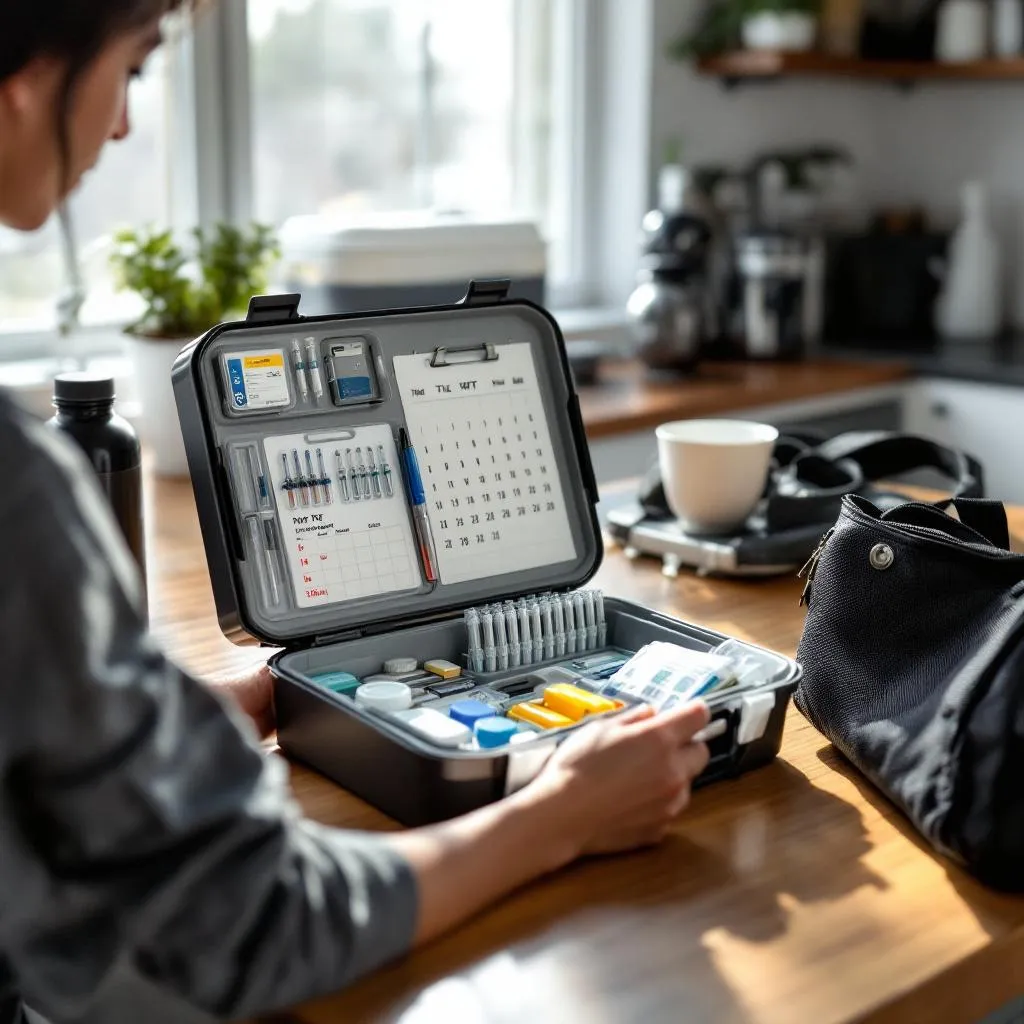
As a Houston-based wellness and hormone therapy specialist, I often meet patients who feel empowered once they begin Testosterone Replacement Therapy (TRT), yet quickly realize maintenance is where lasting results are earned. Whether you commute across the East Freeway or live near the Heights, understanding the routine steps that keep you feeling your best is essential. My goal here is to share practical, clinic-proven guidance that fits into a busy Houston lifestyle while keeping safety and long-term wellness front of mind.
Testosterone Replacement Therapy (TRT): Maintenance Essentials
Maintenance starts with clear expectations. After the initial assessment and dose optimization, regular check-ins with your provider ensure therapy continues to meet your goals. These visits focus on symptom review, lab monitoring, and small adjustments to dosing or delivery method. In Houston’s climate and culture, where outdoor activity and work demands vary seasonally, tailoring maintenance plans to changes in routine or stress levels helps sustain outcomes. Open communication about libido, energy, mood, and sleep patterns gives your clinician the information needed to fine-tune your care.
Monitoring, Labs, and Why They Matter
Routine lab work is the backbone of safe maintenance. Typical panels include total and free testosterone, hematocrit, PSA, and metabolic markers. Tracking these values protects against complications like elevated hematocrit or changes in prostate markers and helps confirm that your dose remains appropriate over months and years. I encourage patients to schedule labs in the same timeframe relative to their dose (for example, midway between injections) so results are consistent and meaningful. In Houston, we also consider seasonal health variations and how allergies, travel, or heat can affect hydration and blood values.
Injection Technique, Delivery Methods, and Practical Tips
Many patients on injections find that a streamlined routine reduces anxiety and improves adherence. Keep supplies organized, rotate injection sites, and use proper sharps disposal. If injections aren’t your preference, transdermal gels or pellets may offer steady delivery with different maintenance needs. Discuss with your provider the pros and cons of each method for your lifestyle. For those who travel frequently within Texas or beyond, plan ahead to maintain refrigeration if needed and carry documentation for medical supplies to avoid interruptions in therapy.
Lifestyle, Nutrition, and Supporting Therapies
Medication is only one piece of the maintenance puzzle. Nutrition, sleep quality, and resistance exercise amplify the benefits of hormone therapy. Adequate protein, balanced weight management, and consistent strength training support lean mass and metabolic health, while restorative sleep reinforces hormonal balance. In Houston, outdoor exercise is common; protect yourself from extreme heat and stay hydrated to support cardiovascular health while on therapy. Consider complementary strategies such as vitamin D optimization and stress management techniques to keep results steady between clinic visits.
Recognizing and Managing Side Effects
Awareness of potential side effects allows for prompt action. If you notice changes in mood, unexplained weight gain, persistent acne, or shortness of breath, report these to your clinician. Some conditions like rising hematocrit require simple interventions such as dose adjustment or therapeutic phlebotomy. With attentive monitoring and timely communication, most concerns are manageable without stopping therapy. Building a trusting relationship with a local provider means you’ll have a plan in place before small issues become disruptive.
When to Expect Adjustments and Long-Term Planning
Initial stabilization often takes several months. After that, a typical maintenance schedule might involve lab checks every 3–6 months and annual comprehensive reviews. As you age or if health conditions evolve, your regimen may require recalibration. In my Houston practice, I work with patients to set realistic milestones—improvements in energy, strength, and mood—so we can measure progress meaningfully. Long-term planning also includes fertility considerations, cardiovascular health surveillance, and discussions about sustained goals beyond symptom relief.
FAQ
Q: How often should I have labs while on TRT?
A: Early on, labs are usually every 6–12 weeks until stable, then every 3–6 months for routine monitoring. Your provider will personalize this based on results and symptoms.
Q: Can lifestyle changes reduce the dose I need?
A: Positive lifestyle shifts—regular strength training, better sleep, and weight management—can improve overall outcomes and sometimes allow for lower doses, but any changes should be coordinated with your clinician.
Q: Will TRT affect fertility?
A: Exogenous testosterone can suppress sperm production. If fertility is a goal, discuss alternatives or adjunctive treatments with your provider before starting therapy.
Q: Are there specific risks I should watch for?
A: Common monitoring focuses on hematocrit and prostate markers. Report symptoms such as chest pain or significant swelling immediately. Routine labs are designed to catch changes early.
Q: How do I find the right provider in Houston?
A: Look for clinicians with experience in hormone therapy who prioritize monitoring and individualized plans. Local referrals and reviews can guide you to reliable care.
Maintaining the benefits of Testosterone Replacement Therapy (TRT) is about consistent follow-up, smart lifestyle choices, and clear communication with your care team. If you’re in Houston and ready to take a proactive approach to your hormonal health, reach out to a trusted clinic so you can keep moving forward with confidence. Testosterone Replacement Therapy (TRT) can be a reliable part of a long-term wellness plan when maintained thoughtfully; contact your provider to review your individual path and schedule your next evaluation.
Stamina Weight Loss, Testosterone & ED Center
11811 East Fwy, Houston, TX 77029, United States
Phone: +1 (346) 293-8944