

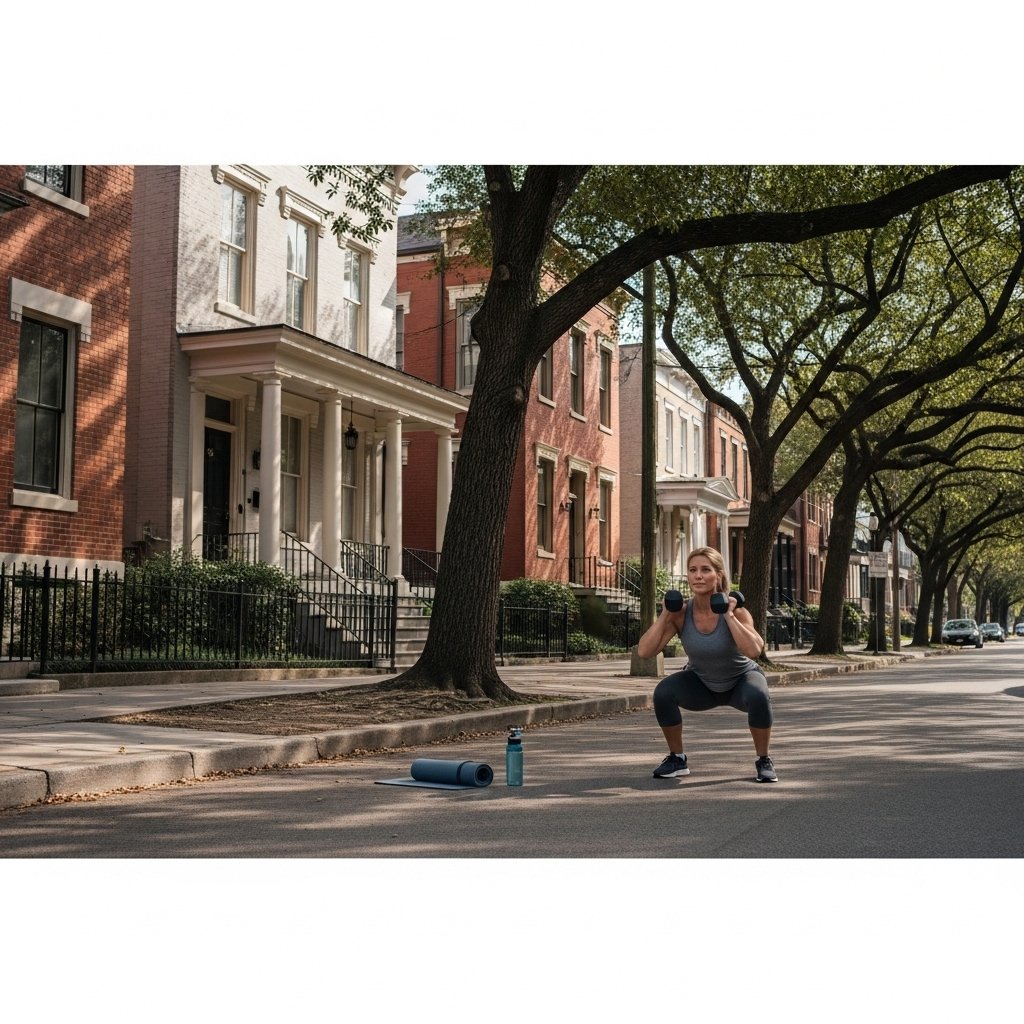
Walk through the tree-lined streets of the Heights on a Saturday morning and you’ll see runners, dog walkers, and families biking to coffee. It’s a neighborhood that celebrates movement and community, yet many midlife adults here quietly navigate shifting hormones, stubborn weight, and energy dips that don’t match the spirit of the area. If you’re in your 40s, 50s, or early 60s, you may have noticed that the habits that worked in your thirties no longer deliver. That isn’t failure—it’s physiology. The solution is not to work harder, but to work smarter with a plan designed for this phase of life. For many in the Heights and surrounding neighborhoods, a supervised approach to medical weight loss provides the clarity, accountability, and customization needed to feel strong and capable again.
Midlife metabolism, explained simply
As we enter midlife, muscle mass tends to decline unless we actively protect it; hormones such as estrogen and testosterone fluctuate; and sleep can become less reliable. These shifts can increase cravings, change where we store fat, and make recovery slower. Trying to outrun those changes with more cardio or fewer calories often backfires. A better path aligns nutrition, strength, recovery, and, when appropriate, medication to rebuild metabolic resilience. In practice, that looks like protein-forward meals, smart carbohydrates, and deliberate strength training layered over a life that already includes work, parenting, caregiving, and community commitments.
Why a Heights-centered plan feels different
Local context matters. We build plans that take advantage of the neighborhood—walkable streets, accessible parks, and small businesses that make healthy eating feel like a pleasure rather than a chore. If you frequent 19th Street, we map cafe options that suit your goals. If you love White Oak Bayou, that becomes your low-impact cardio. If weekends mean family dinners, we show you how to cook or order in a way that satisfies everyone without derailing progress. When a plan fits your environment and values, it stops feeling like a diet and starts feeling like a lifestyle you can keep.
Strength first, then everything else
For midlife adults, strength is the lead domino. Building and maintaining muscle supports insulin sensitivity, protects joints, and shapes how your body carries weight. You don’t need a bodybuilder’s split; you need consistent work that hits major movement patterns. That might mean short, efficient sessions at a neighborhood gym or a simple home setup with bands and dumbbells. The “why” is clear: muscle makes nutrition more forgiving, and it gives you practical power for daily life—carrying groceries, climbing stairs, and playing with kids or grandkids with confidence.
Food that satisfies and heals
We center meals on protein, colorful vegetables, and healthy fats, with carbohydrates placed strategically around activity and energy needs. In the Heights, that could be grilled fish with a big salad from a local spot, or a home-cooked night with sheet-pan chicken and roasted vegetables. We also address the quieter drivers of overeating—stress, alcohol, and sleep debt. Midlife often brings career intensity and family responsibilities; a smart plan moderates alcohol, protects sleep, and builds quick, soothing rituals that don’t involve the pantry. As hunger cues normalize, you’ll find it easier to leave food on the plate and to close the kitchen after dinner.
Medical oversight that respects your history
Supervised programs start with a clear picture: medical history, medications, labs, and personal priorities. This allows for precise recommendations and, when appropriate, carefully chosen medications that support appetite control and metabolic health. Dosing is individualized, side effects are monitored, and the plan is adjusted as your body changes. We measure more than the scale—waist measurements, blood pressure, energy, sleep, and mood all matter. You’re not just shrinking; you’re rebuilding health.
Life-proofing the plan
Midlife means you’re busy. We streamline decisions with template meals, grocery routines, and pre-mapped restaurant orders. We encourage walk-and-talks on neighborhood streets, evening strolls after dinner, and short strength sessions that can be done in a living room. The program is built to survive travel, holidays, and the curveballs life throws—an out-of-town wedding, a week of late meetings, or a home renovation. When life happens, we adapt with you, so a single disruption doesn’t become a slide.
Community and accountability
One of the Heights’ greatest assets is its sense of community. We harness that. You may choose a walking partner, a small group strength class, or simple check-ins with your clinical team that keep you on track. Accountability doesn’t need to be loud; it needs to be consistent. When you know someone is looking at the same metrics you are and cheering for your wins, consistency becomes easier, especially during the slow patches where progress is happening under the surface.
The middle stretch and the long view
After the initial momentum, we settle into a rhythm. This is where you reap the benefits of showing up: steadier energy, clothes that fit better, stronger lifts, and calmer eating. It’s also where we troubleshoot plateaus. We might adjust protein, shift training volume, or review sleep hygiene. Many Heights residents use this phase to re-commit to the core tenets of medical weight loss with deeper understanding—food they truly enjoy, movement they feel proud of, and stress strategies that actually get used. The long view is simple: keep the few levers that matter most and make them feel easy.
Menopause and andropause considerations
Hormonal changes deserve specific attention. For women in perimenopause or menopause, we watch for shifts in sleep, mood, and body composition and adjust nutrition and training to protect muscle and bone. For men experiencing lowered testosterone or changing recovery, we emphasize strength, protein, and recovery routines that re-establish momentum. In both cases, patience and precision beat intensity. You don’t need to earn your food; you need to give your body the inputs that work now.
Celebrating progress beyond the scale
The scale is one measure, but midlife success is bigger: blood pressure easing down, fasting glucose normalizing, joint pain lifting, stamina returning, and a clearer mind for work and relationships. Many Heights patients report renewed confidence in social settings and a rekindled desire to explore the city on foot or by bike. Those wins fuel more action, and the cycle reinforces itself. When you feel good, you do more; when you do more, you feel even better.
Frequently asked questions
Will I have to give up my favorite neighborhood restaurants?
No. We’ll equip you to order strategically—prioritizing protein, vegetables, and satisfaction—so you can enjoy local spots without losing momentum. We plan ahead for special meals and structure the day around them, allowing celebration without the backlash of guilt or derailment.
How much time will I need for workouts?
Two to four short strength sessions per week paired with daily walking can make a significant difference. The focus is on consistency and good form, not marathon sessions. We’ll match the plan to your schedule so it supports, rather than competes with, the rest of your life.
Are medications part of every program?
No. Medications are considered when your history, goals, and lab work suggest they’d be helpful and safe. If used, they’re combined with nutrition, movement, and sleep strategies, and you’ll be closely monitored. Many people make substantial progress with lifestyle changes alone; others benefit from medical support. We decide together.
What if I hit a plateau?
Plateaus are normal. We investigate nutrition balance, sleep quality, stress, hydration, and training variety. Small adjustments often restore progress, and sometimes we schedule a maintenance phase to consolidate gains. Patience is strategic in midlife; it protects your body and your mindset.
Can I do this if I have joint pain?
Yes. We’ll tailor movement to be joint-friendly—low-impact cardio, mobility work, and strength training that respects current limitations while building capacity. As weight decreases and strength improves, many people experience less pain and greater confidence in daily movement.
How will I keep results once I reach my goal?
Maintenance is designed, not improvised. We’ll keep the core routines that created success—protein-forward meals, regular strength, daily movement, and simple check-ins—so the habits that got you there keep you there. The aim is to make the default path the healthy path, especially in a neighborhood that invites active living.
Call to action
If you live in or near the Heights and want a plan that respects your season of life, your neighborhood, and your goals, let’s begin. With local insight, medical oversight, and routines you can keep, your next chapter can be your strongest yet. Start by exploring medical weight loss support designed for midlife adults who love this community as much as you do.